✕
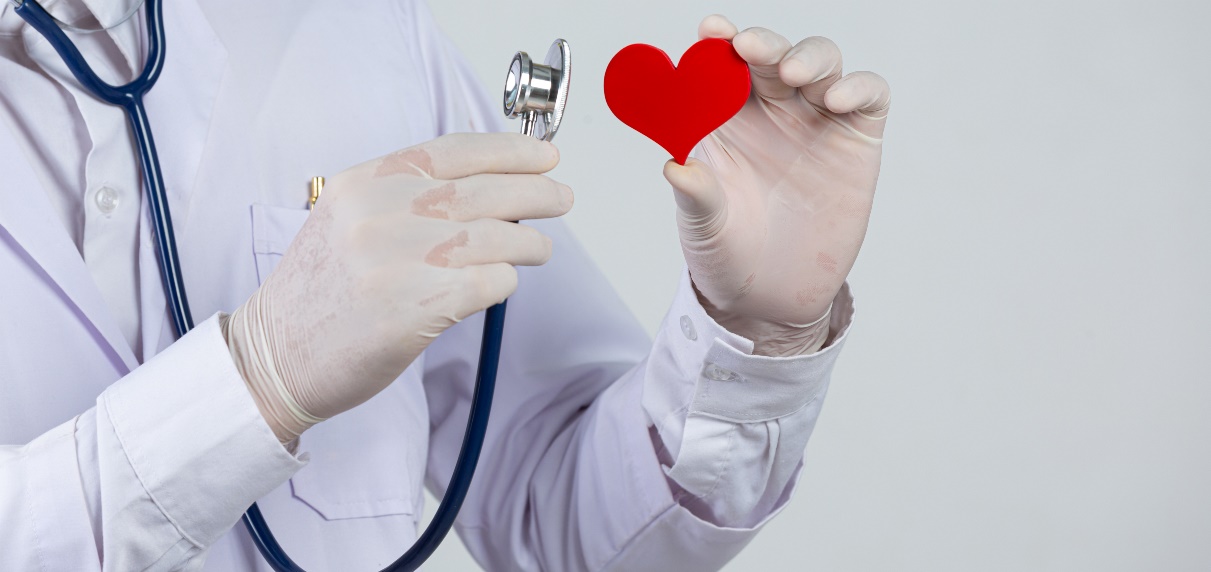
A new generation of doctors are utilizing the capabilities of Artificial Intelligence (AI), Machine Learning (ML), and enhanced telecommunication to collaborate in specialized surgeries bringing unprecedented results in cardiac treatment across the globe.
Starting as early as the 19th century, the theory of “mechanical circulatory support” was developed by César Julien Jean Legallois. This theory would later be proven in the 21st century by the invention of many medical devices. This progression led to the medical use of the artificial heart, also known as (LVAD). The artificial heart would work as a temporary placement to support life while searching for a donated heart for the patient.
Heart and cardiovascular diseases are a leading cause of death, taking an estimated 17.9 million lives per year globally. The Saudi Ministry of Health also reported that they account for 37% of all deaths in KSA. Considering these statistics, heart failure has been the main healthcare concern for doctors and scientists alike. An estimated 80 million adults will suffer heart failure by 2030. Fortunately, diagnosis and treatment technologies are constantly improving, helping patients recover less painfully and more quickly than ever.
Preventing heart disease starts with a few precautions, identifying the warning signs, recognizing the symptoms, and addressing the issue before it is too late. Shortness of breath and chest pain and understanding the changes in the body before experiencing a heart attack can save lives. Luckily, new medications, devices, and public health strategies are being implemented, improving healthcare, and combating heart failure.
Today more people are wearing smartwatches that monitor their heart rates and can detect atrial fibrillation. Though not recommended for screening, smartwatches can give the wearer a general and early idea about their heart health.
Another significant technology in cardiovascular care is left ventricular assist devices (LVADs). They are surgically implanted in the heart and connected to an electric component. They are a form of life-support device for people waiting for a transplant. These devices have dramatically decreased in size, giving patients more convenience and better survival rates.
Leveraging its vast network of global partners, EMA aims to provide the Kingdom’s healthcare providers with the latest and most advanced devices and medication. EMA ensures the highest level of care and top-quality services. Aligned with our mission to elevate the local healthcare sector, our Cardiology and Vascular Unit seeks to enhance patients’ outcomes by providing efficient diagnostic and treatment technologies.
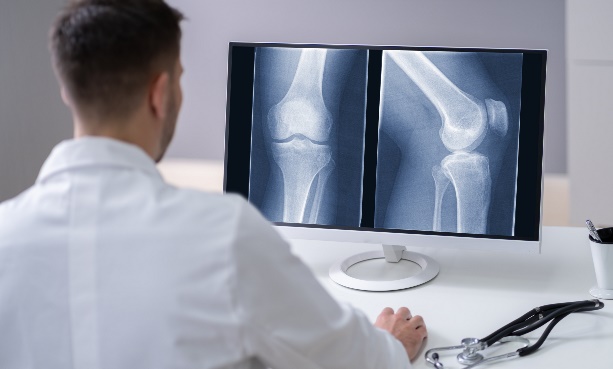
We have introduced noninvasive tests like cardiac MRI. Additionally, we offer new imaging tools to help us diagnose heart or vascular conditions like cardiac PET. This type of nuclear imaging uses very minimum doses of radioactivity, giving doctors a closer look at patients’ hearts and facilitating better understanding and care for each case.
The Cardiology and Vascular Unit’s other solutions address a varied range of heart conditions, including Atrial Fibrillation, Heart Failure, Transplant, Cardiac Valve Disease, Electrophysiology, Echocardiography, Cardiovascular Genetics, Adult Congenital Heart Disease, Diagnostic Vascular Lab, Vascular Surgery, Vascular Medicine, Valve, Cardiovascular Imaging and Testing, General Cardiology, Interventional Cardiology, Heart Surgery, and Structural Heart Disease.
With a diversified approach serving different sectors of the medical market, EMA has established itself as a Centre of Excellence among other professional medical organizations of the Kingdom. For pharmaceutical products, please contact us on our Email:PV.Pharma@almana.com.sa / pharma.reg@almana.com.sa or Mobile:+966500200922 or Tel: 9200 15026 Ext.1315 For aftersales services please contact: Customer.Service@almana.com.sa or Tel:9200 15026 Ext.3301